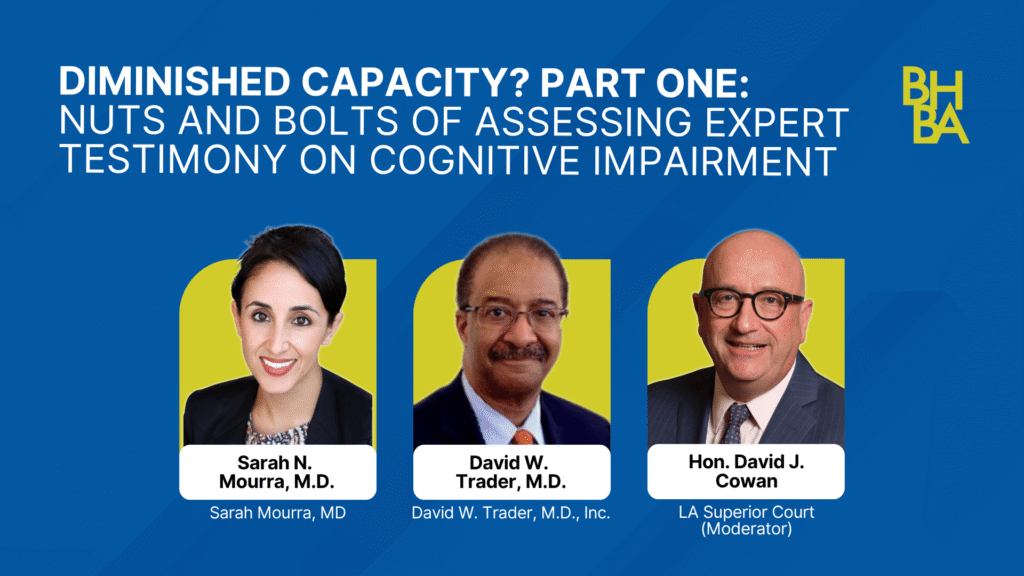
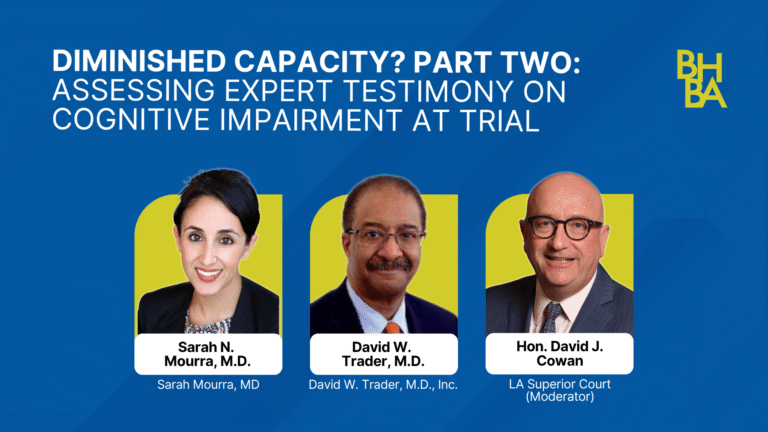
This program explores the medical foundations underlying expert testimony on cognitive impairment, the kind of grounding that litigators need before they can effectively challenge or present such evidence at trial. Panelists join a moderator to walk through the clinical landscape of cognitive impairment, from DSM-5 diagnoses, evolving terminology and the distinctions between different conditions. The panel will examine how testing methods are weighed, the significance of baseline deviation, and what concepts like mild, moderate, and severe impairment actually mean in the litigation context. In addition, consistent with the Probate Code, the panelists will address how to look at a person's mental functions rather than a mere diagnosis and how these diagnoses affect those functions. The discussion also covers the differences between treating physicians, forensic analysts, neurologists, psychiatrists, and psychologists and what each credential does or does not bring to the witness stand.
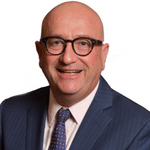
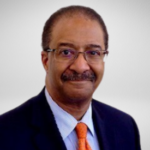
This OnDemand CLE program earns 1 hour of General credit in California. It aired May 7, 2026 and features Hon. David J. Cowan, Sarah Mourra M.D., and David W. Trader, M.D..

Named Best CLE Provider and Best Online CLE Provider by The Recorder in both 2025 and 2026. Built for lawyers, by lawyers, to keep you ahead.




Watch on your phone, tablet, or computer, whenever it fits your schedule.
Your certificate is emailed automatically and saved in My BHBA+.
My BHBA+ shows your credits, deadlines, and progress in one place.