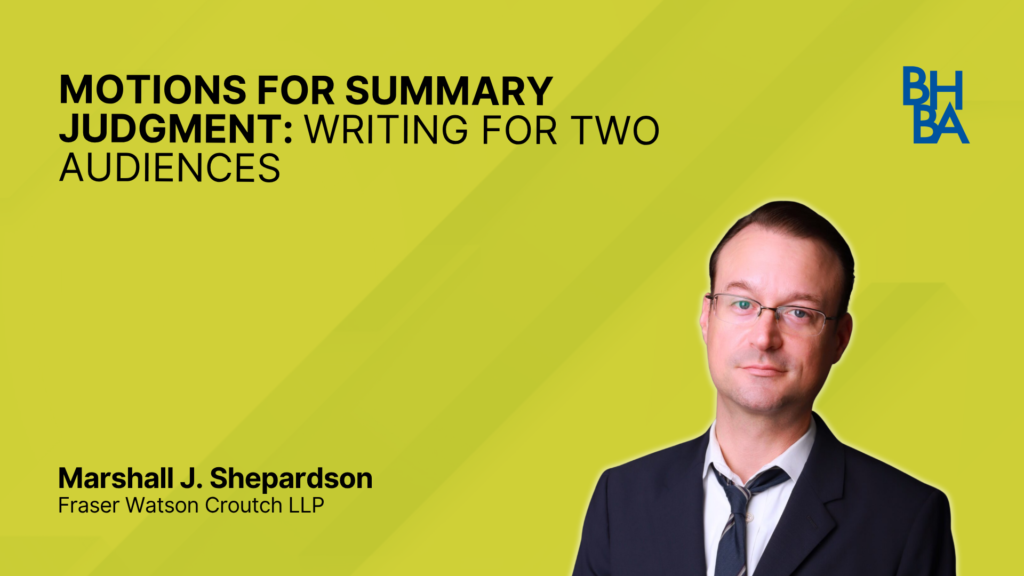
Motions for summary judgment can serve multiple purposes short of a straightforward, embattled "win." In fact, the most favorable outcome possible with a motion for summary judgment is to end the case with no contest, due to an opponent's prudent election to stand down. This means that the drafter of a motion for summary judgment needs to keep in mind that the intended audience is not only the judge who would issue a ruling if the motion is contested, but perhaps even more importantly, the target audience should be the receiving attorney who has to decide whether or not to oppose in the first place. A "once-around-the-track" survey of each stage of the MSJ process is presented, focused on the theory and mechanics of crafting a motion while keeping in mind both important audiences: the presiding judge, who may ultimately decide the motion, as well as the opposing attorney, who may decide just to let this one go.
This OnDemand CLE program earns 1 hour of General credit in California. It aired August 18, 2026 and features Neda Saghafi and Marshall J. Shepardson.
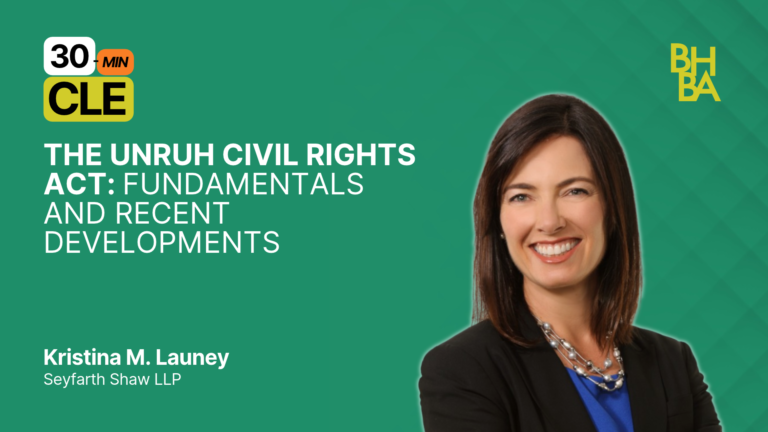
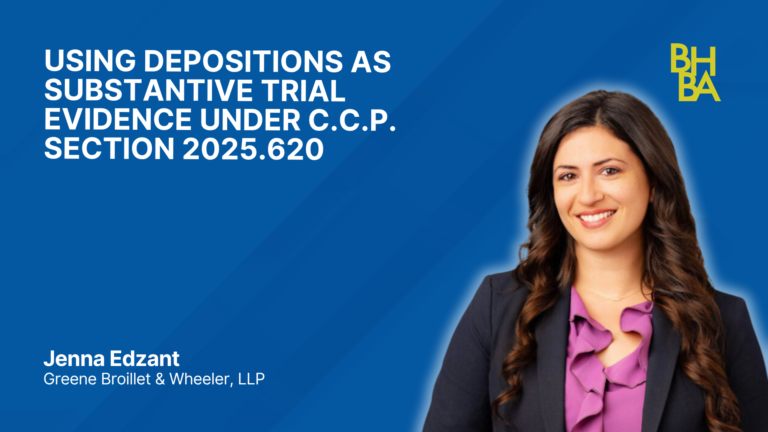


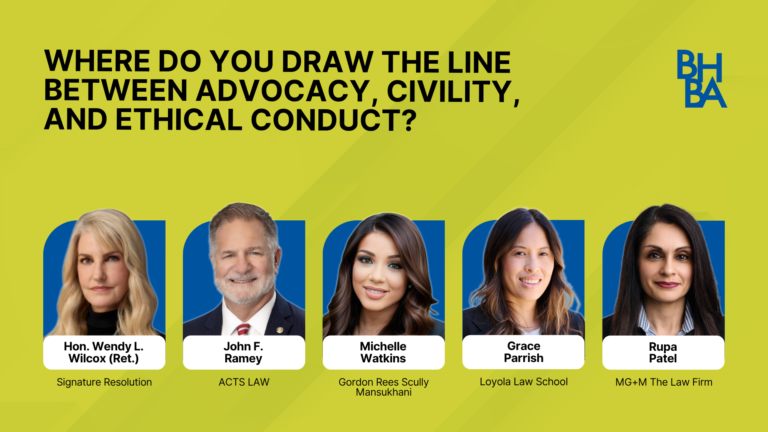

Named Best CLE Provider and Best Online CLE Provider by The Recorder in both 2025 and 2026. Built for lawyers, by lawyers, to keep you ahead.




Watch on your phone, tablet, or computer, whenever it fits your schedule.
Your certificate is emailed automatically and saved in My BHBA+.
My BHBA+ shows your credits, deadlines, and progress in one place.