
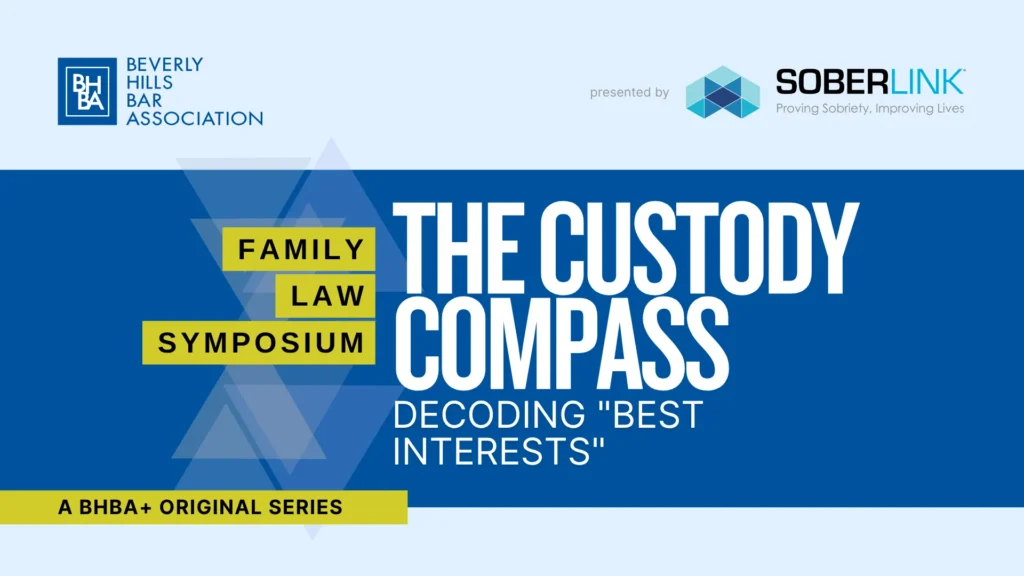
The Custody Compass: Decoding “Best Interests”
About this package
Every custody decision in California turns on the best interests of the child, yet the standard looks different depending on who is applying it. The Family Law Section’s 2026 Family Law Symposium follows that standard through a custody case from every angle: the bench, the bar, minor’s counsel, and the mental health professionals who stay with families after the case ends.
The series opens with the work of minor’s counsel. Commissioner Kendra Thomas (Los Angeles Superior Court) and Hon. Sonia B. Dujan (Los Angeles Superior Court) join Callie M. Kramer of Summers Levine Lipsic & Hersh, LLP to explain when bench officers make the appointment and how they match the right attorney to the right child. The panel covers Forms FL-322 and FL-323, duties under Family Code section 3151 and rule 5.242, and why advocacy is not evidence. They also explain how courts handle a child’s request to testify under section 3042, and why a child waiting in the hallway on hearing day backfires.
The second session moves from the legal standard to practical custody orders. Commissioner David Friedman (Los Angeles Superior Court), Erin L. Grey, CFLS, of Enenstein Pham Glass Gutenplan & Bolling [CONFIRM FIRM AFFILIATION], and Ron Reitshtein of Youngman Reitshtein, PLC work through Family Code sections 3011, 3020, and 3044. Judges decide custody on evidence, not labels. The panel shows how to tie every allegation to its impact on the child, how geography and work schedules shape timeshare, and how to tell protective parenting from gatekeeping.
The third session takes on domestic violence restraining orders and their long shadow over custody. Hon. Joshua Wayser (Los Angeles Superior Court), Michael B. Hanasab of Jamra, Jamra & Hanasab LLP, and Robin Sax, J.D., LCSW, of the Law Offices of Robin Sax examine what happens when a temporary no contact order stretches on for months. They cover the section 3044 presumption, requests for interim visitation, witness and exhibit lists, children as witnesses, criminal crossover, and renewals. The panel also makes the case that a pending DVRO is often the best moment to settle.
The series closes by changing the lens entirely. Erica Swensson of Blank Rome LLP and Karin Manger, LCSW, a psychotherapist and former custody evaluator, show how a well chosen custody consultant helps clients shift their focus from the fight to the family. They explain when to bring a consultant in, what consultants must never do, and how to protect the relationship under the attorney work product doctrine, down to how you write your billing entries.
Each session stands on its own. Together, they give family law attorneys a practical roadmap for protecting children and preserving families long after the case is closed.
This OnDemand CLE package earns 4 hours of credit in California. It includes 4 programs.
Speakers
 Judge Sonia B. DujanLos Angeles Superior Court
 Commissioner David FriedmanLos Angeles Superior Court
 Erin GreyEnenstein Pham Glass & Rabbat
 Michael B. HanasabJamra Jamra & Hanasab LLP
 Callie M. KramerSummers Levine Lipsic & Hersh, LLP
 Karin MangerLCSW
 Ron ReitshteinYoungman Reitshtein, PLC
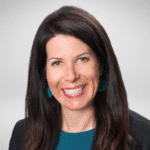 Robin Sax, JD & LCSWDear Co-Parent
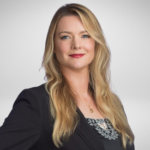 Erica SwenssonBlank Rome LLP
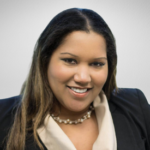 Comm’r Kendra ThomasLos Angeles Superior Court
 Hon. Joshua WayserLASC
4 programs
More Family Law CLEs
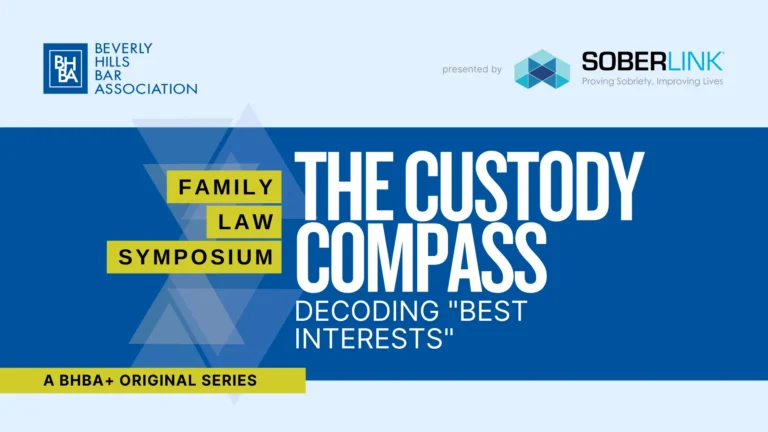
The Custody Compass: Decoding Best Interests
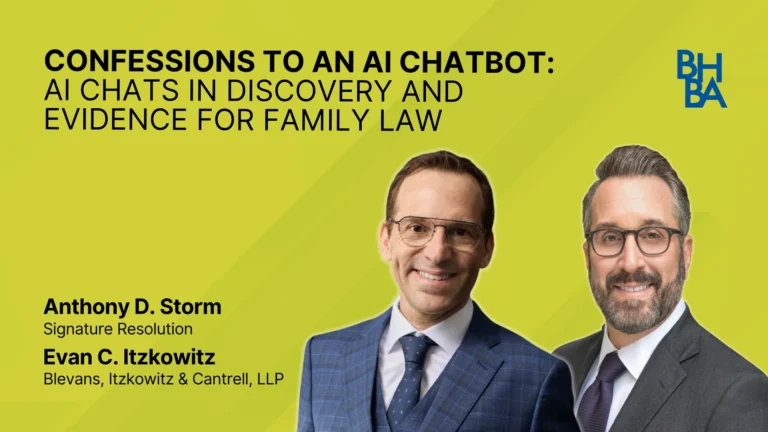
Confessions to an AI Chatbot: AI Chats in Discovery and Evidence for Family Law
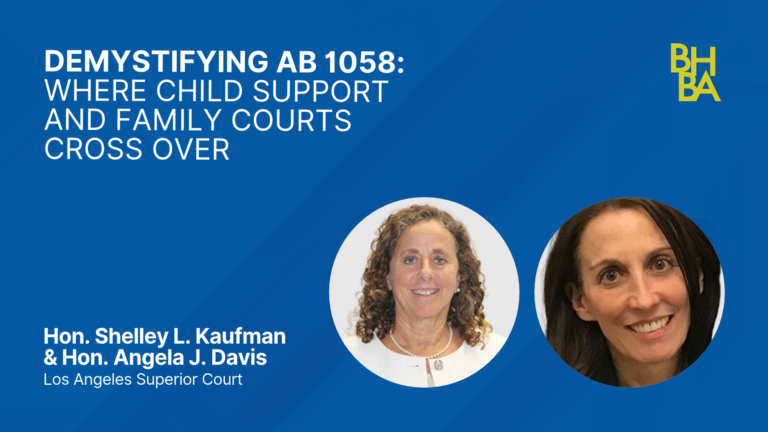
Demystifying AB 1058: Where Child Support and Family Courts Cross Over
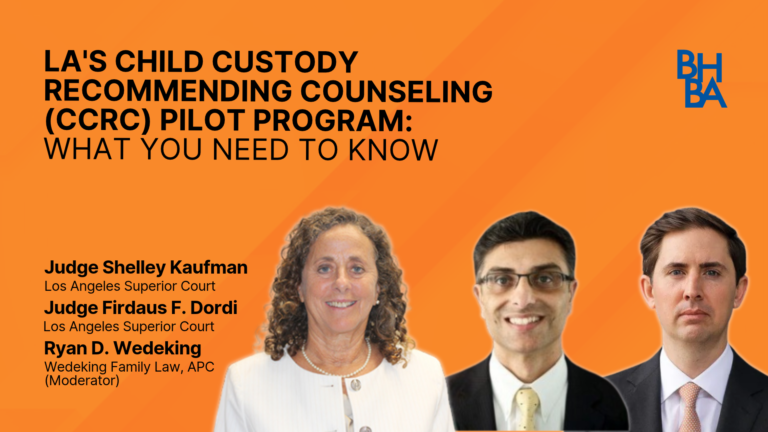
LA’s Child Custody Recommending Counseling (CCRC)Pilot Program: What You Need to Know
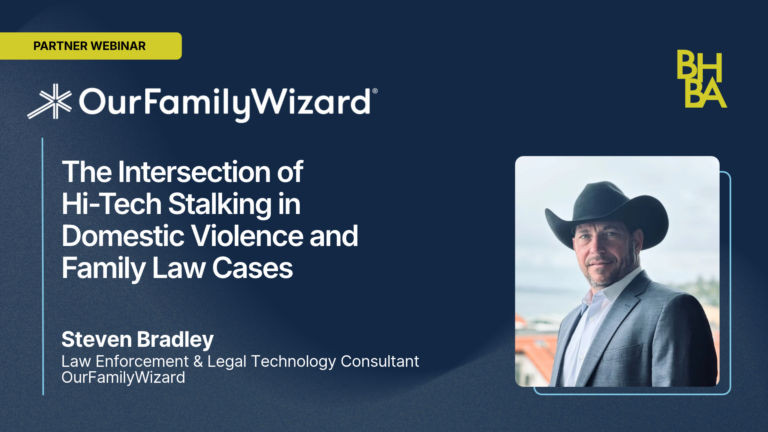
The Intersection of Hi Tech Stalking in Domestic Violence and Family Law Cases
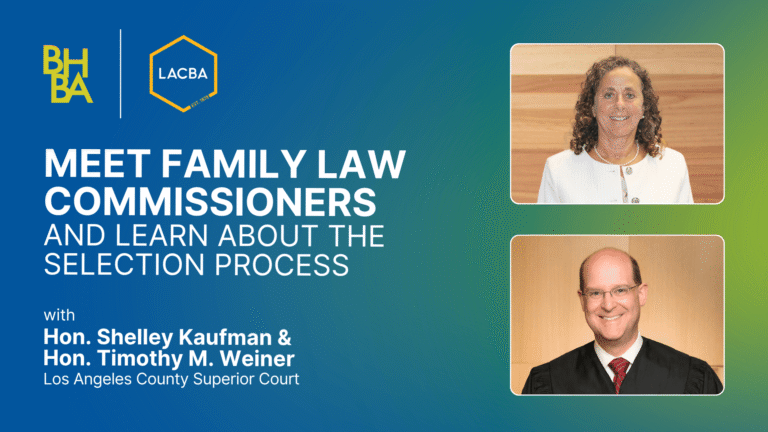
Meet Family Law Commissioners and Learn About the Selection Process with Judge Kaufman and Judge Weiner
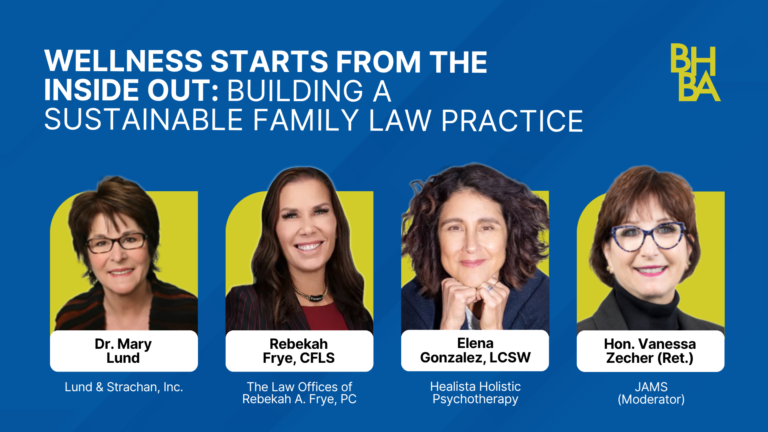
Wellness Starts From the Inside Out: Building a Sustainable Family Law Practice
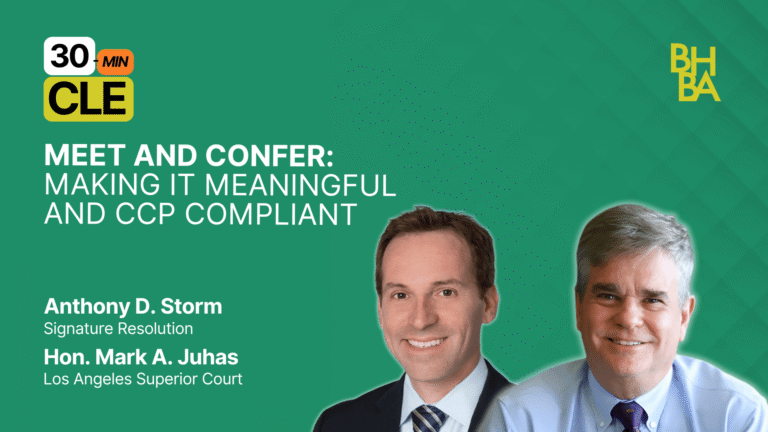
Meet and Confer: Making It Meaningful and CCP Compliant
Named Best CLE Provider and Best Online CLE Provider by The Recorder in both 2025 and 2026. Built for lawyers, by lawyers, to keep you ahead.




Stream anywhere
Watch on your phone, tablet, or computer, whenever it fits your schedule.
Certificate in minutes
Your certificate is emailed automatically and saved in My BHBA+.
Track your credits
My BHBA+ shows your credits, deadlines, and progress in one place.