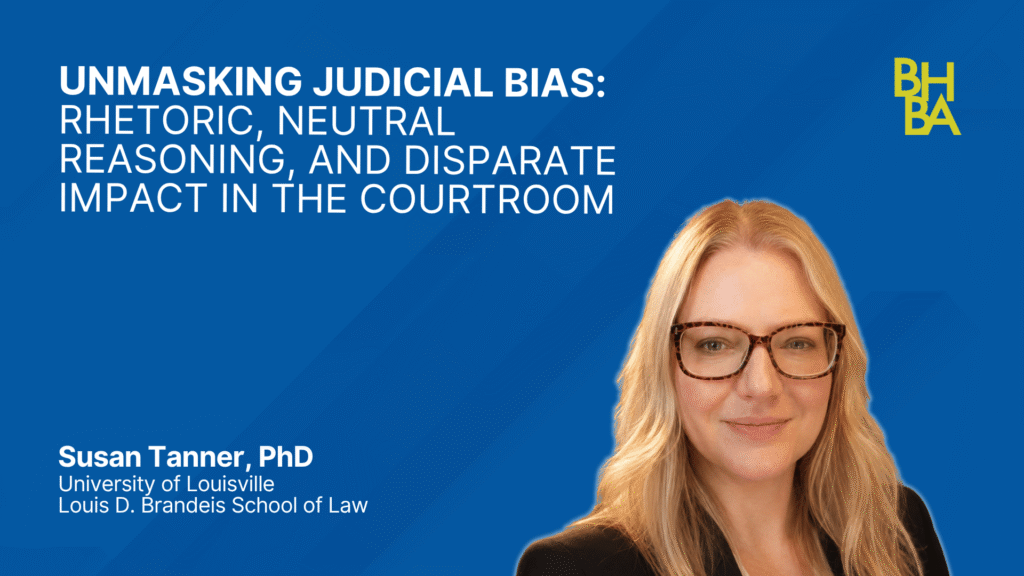
Unmasking Judicial Bias: Rhetoric, Neutral Reasoning, and Disparate Impact in the Courtroom
About this program
Judicial opinions often present themselves as the product of neutral legal analysis, but the reasoning embedded in landmark decisions can encode gender and racial bias while maintaining an appearance of objectivity. This program examines how courts employ enthymematic reasoning, arguments built on unstated premises that audiences are invited to accept as self-evident, to naturalize value judgments that produce profoundly unequal outcomes. It identifies the specific rhetorical structures attorneys must learn to recognize: the selective use of historical tradition to define constitutional rights, the framing of moral controversy as a basis for diminishing legal protection, and the categorical isolation of rights that disproportionately affect women from the broader framework of bodily autonomy and privacy. Attendees will also examine how facially neutral laws interact with disparate impact, and how judicial rhetoric can obscure gender and racial inequity beneath formal claims of equal treatment. The program equips attorneys to read opinions critically, identify unstated premises that embed bias into legal reasoning, and craft advocacy strategies that expose and challenge those assumptions.
Susan Tanner
This OnDemand CLE program earns 1 hour of Elimination of Bias credit in California. It aired July 28, 2026 and features Dr. Susan Tanner.

More Inclusion CLEs
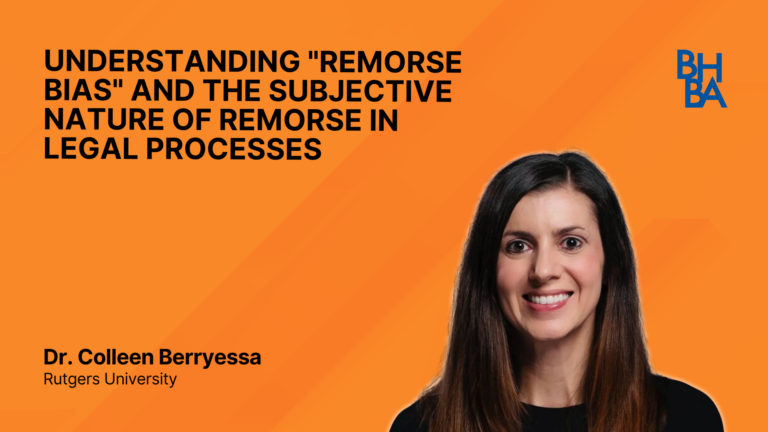
Understanding “Remorse Bias” and the Subjective Nature of Remorse in Legal Processes
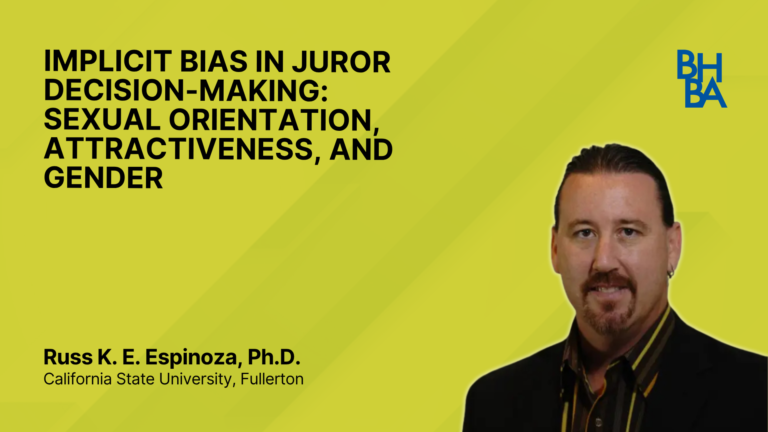
Implicit Bias in Juror Decision-Making: Sexual Orientation, Attractiveness, and
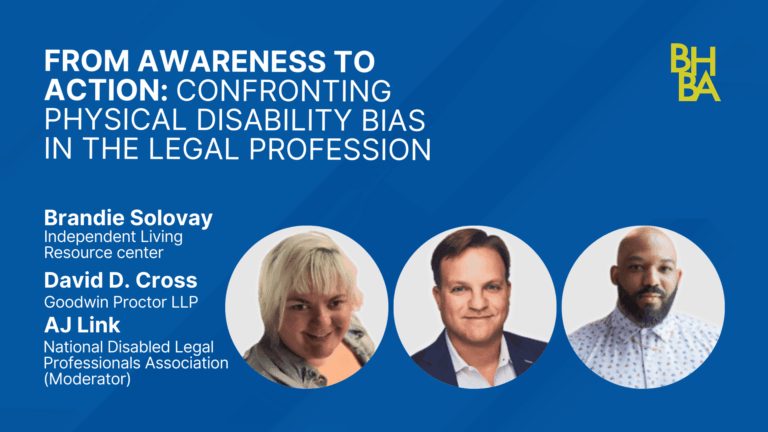
From Awareness to Action: Confronting Physical Disability Bias in the Legal Prof
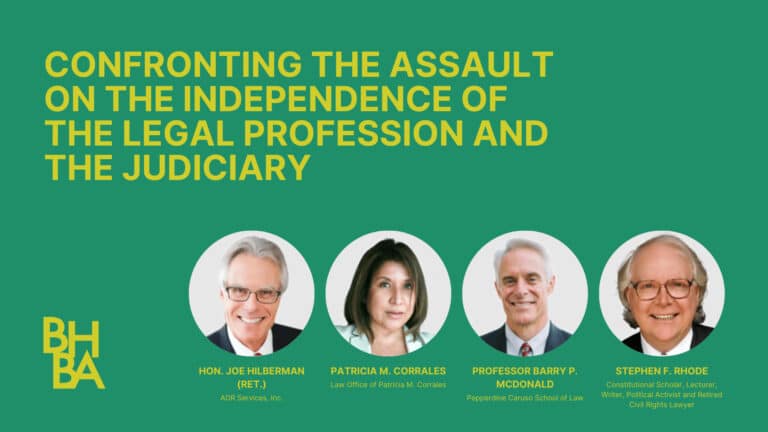
Confronting the Assault on the Independence of the Legal Profession & Judiciary

Briefs, Briefings & Brain Fog: Menopause in the Legal Lane

Implicit Bias Toward Psychiatric Disabilities

The Gender Equity Brief

Blind Spots The Power of Perception
Named Best CLE Provider and Best Online CLE Provider by The Recorder in both 2025 and 2026. Built for lawyers, by lawyers, to keep you ahead.




Stream anywhere
Watch on your phone, tablet, or computer, whenever it fits your schedule.
Certificate in minutes
Your certificate is emailed automatically and saved in My BHBA+.
Track your credits
My BHBA+ shows your credits, deadlines, and progress in one place.